01
Door reveals
Stand back and look at the gap around every interior door. Consistent reveals mean the framing was square and the finish carpenter was not fixing somebody else's mistakes.


Craft · May 2026 · 6 min read
Finishes hide a lot. These ten details do not.
Walk any open house and the staging will do its job. If you want to know how the building was actually put together, look at the boring parts. Here is our list, in the order we check it.
Stand back and look at the gap around every interior door. Consistent reveals mean the framing was square and the finish carpenter was not fixing somebody else's mistakes.
Anyone can set a field of tile. Look at outside corners, niches and the transition to the floor. That is where layout skill shows.
Straight framing, tidy plumbing, labeled circuits and clean penetrations in the garage tell you what the rest of the house looks like behind the drywall.
Kickout flashing where a roof meets a wall is a five dollar part that prevents a fifty thousand dollar rot repair. Its absence is the single most common defect we find.
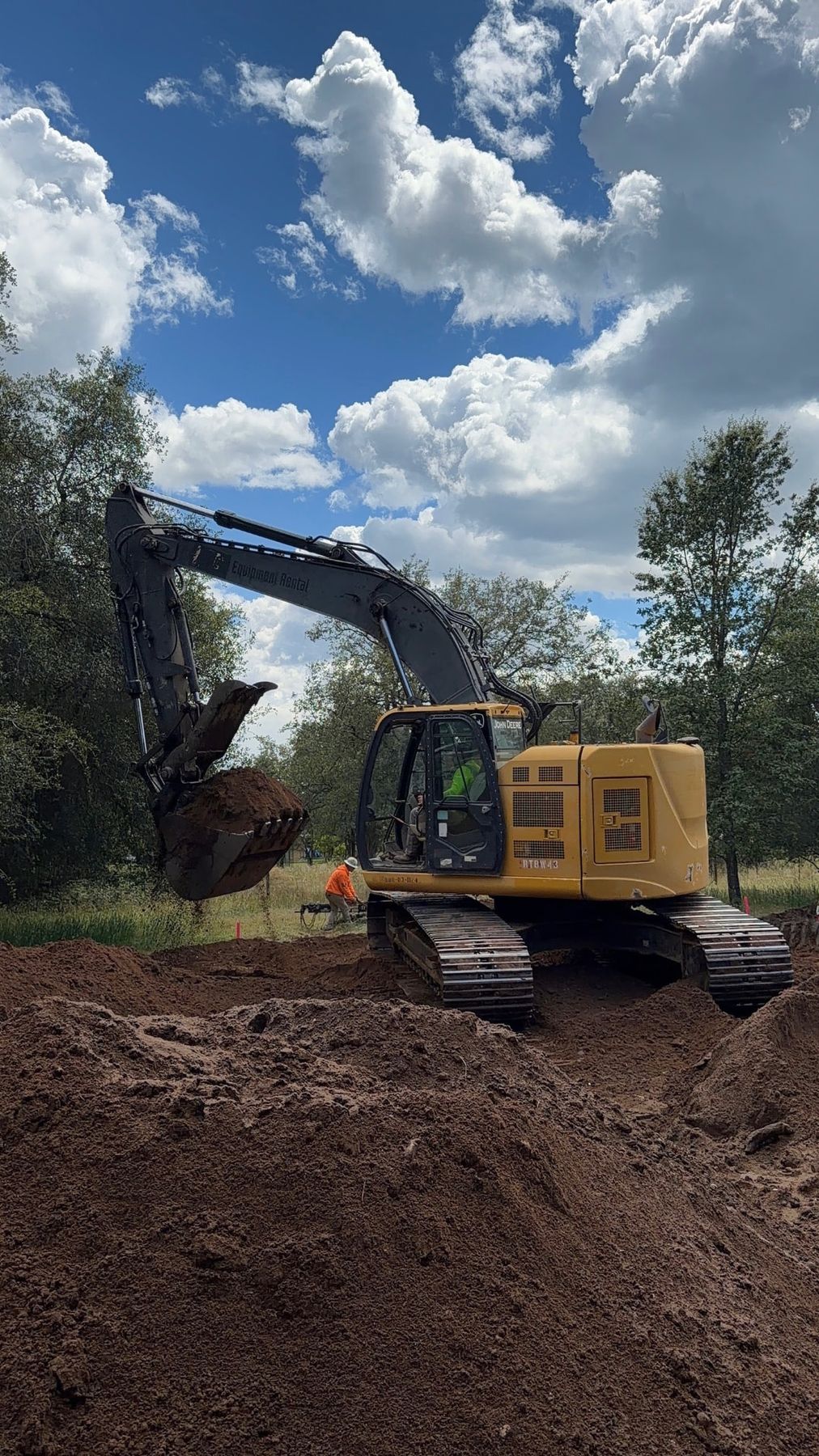
Soil should slope away on every side, with downspouts carried out and away. Water at the foundation is the root of most structural complaints in this region.
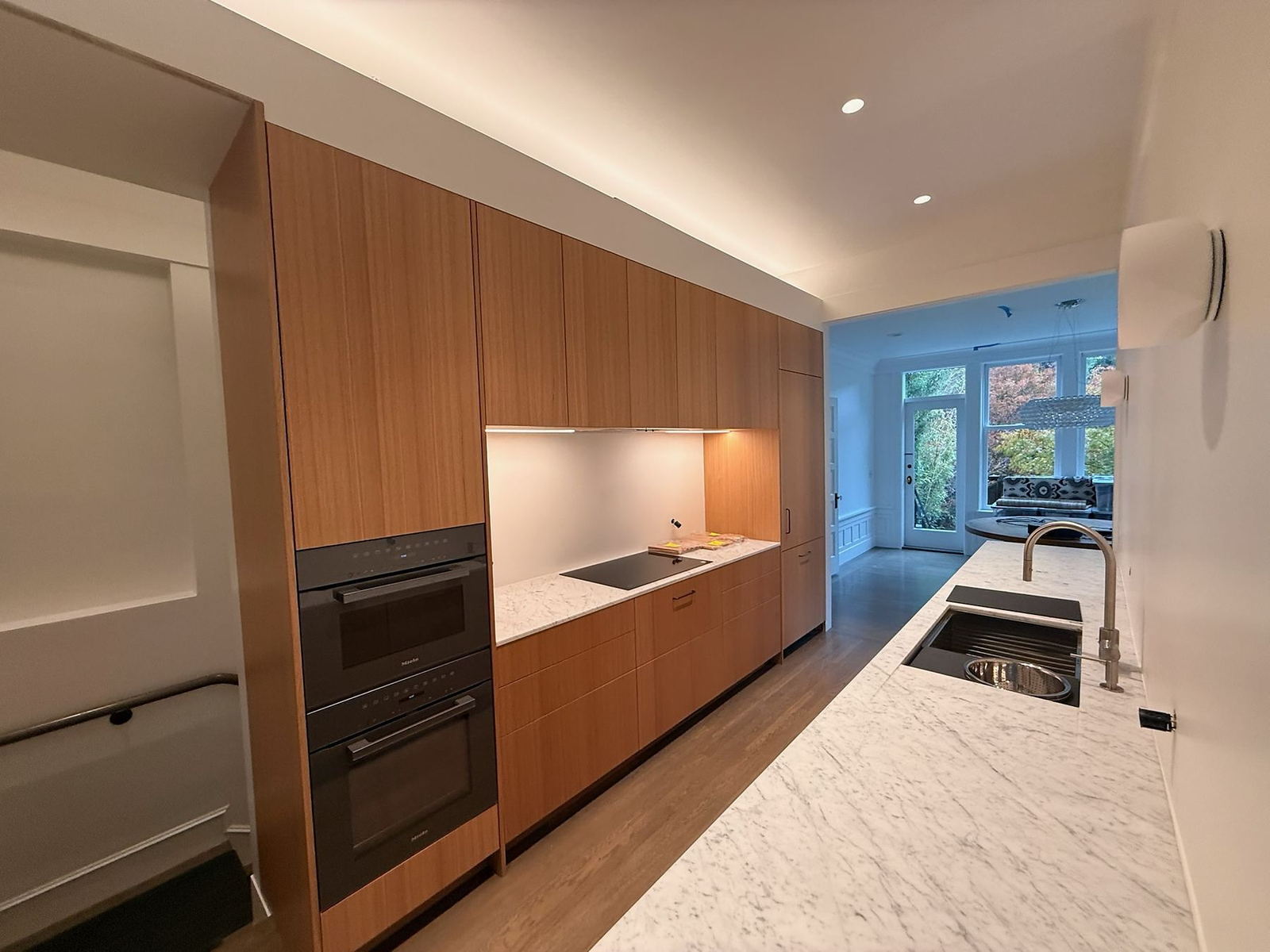
Sight down a run of uppers. Aligned faces and consistent gaps mean the boxes were shimmed properly into plumb walls.
Short, sealed, insulated runs in conditioned space beat a spaghetti bowl in a 140 degree attic. Ask where the equipment lives and why.
Stairs are the hardest carpentry in a house. Even risers, tight skirt boards and clean handrail terminations are a fast quality read.
A crisp line where trim meets wall is a prep story. Sloppy caulk means the painter was rushed, and painters get rushed when the schedule already failed upstream.
Builders who are proud of the framing and the mechanical room usually built a good house. Builders who lead with the light fixtures usually bought one.
We build to be inspected mid-stream, not admired after paint. Come walk an active job with us and check every item on this list yourself.